Don’t Look Any Further
Someone to count on in a world ever changing. Here I am, stop where you are standing.— Dennis Edwards
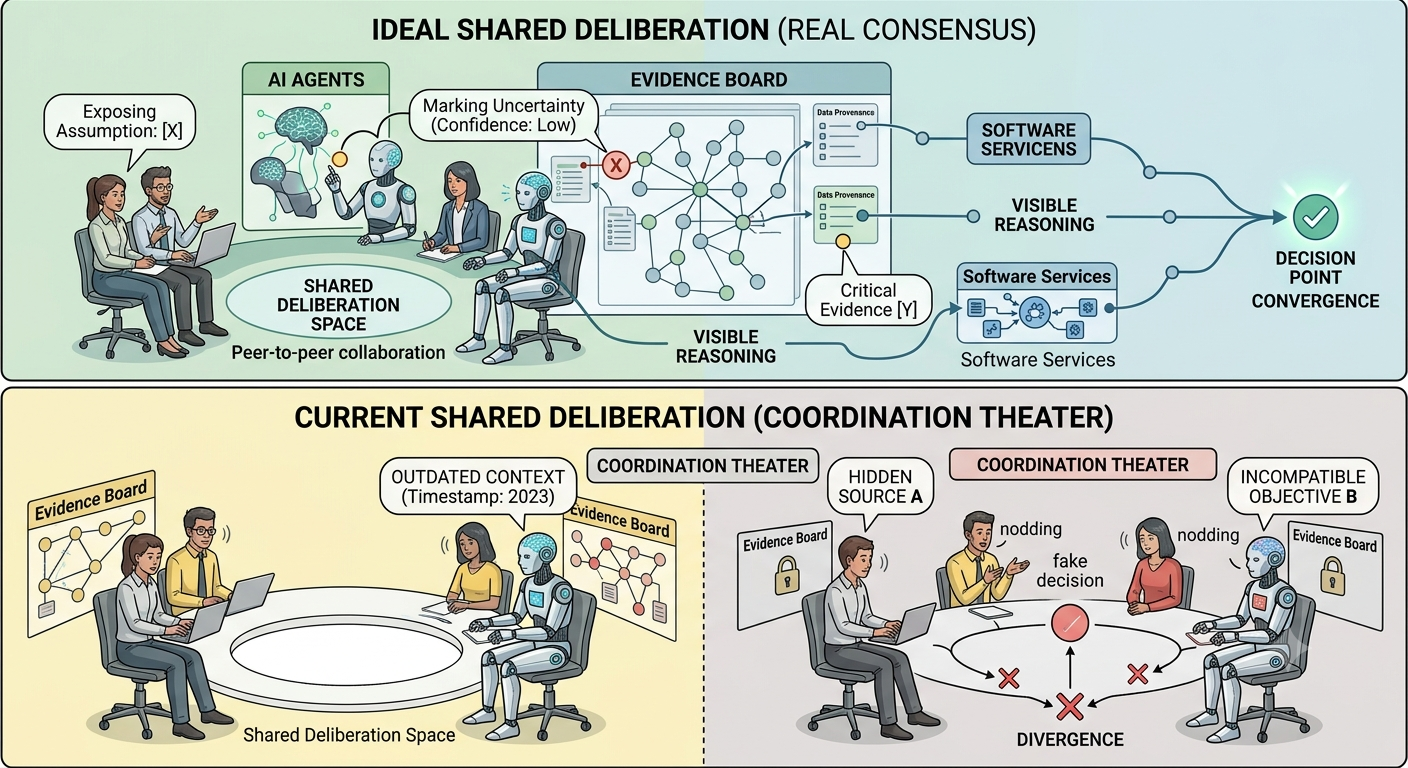
This might not be what you expected from it. It is not another context management/engineering blog post yet it does not quite fit anywhere else as well in particular right now. Let’s say its a draft into applications of everyday life expressive content into retrieval and context handling.
Handling Context in a World Ever Changing
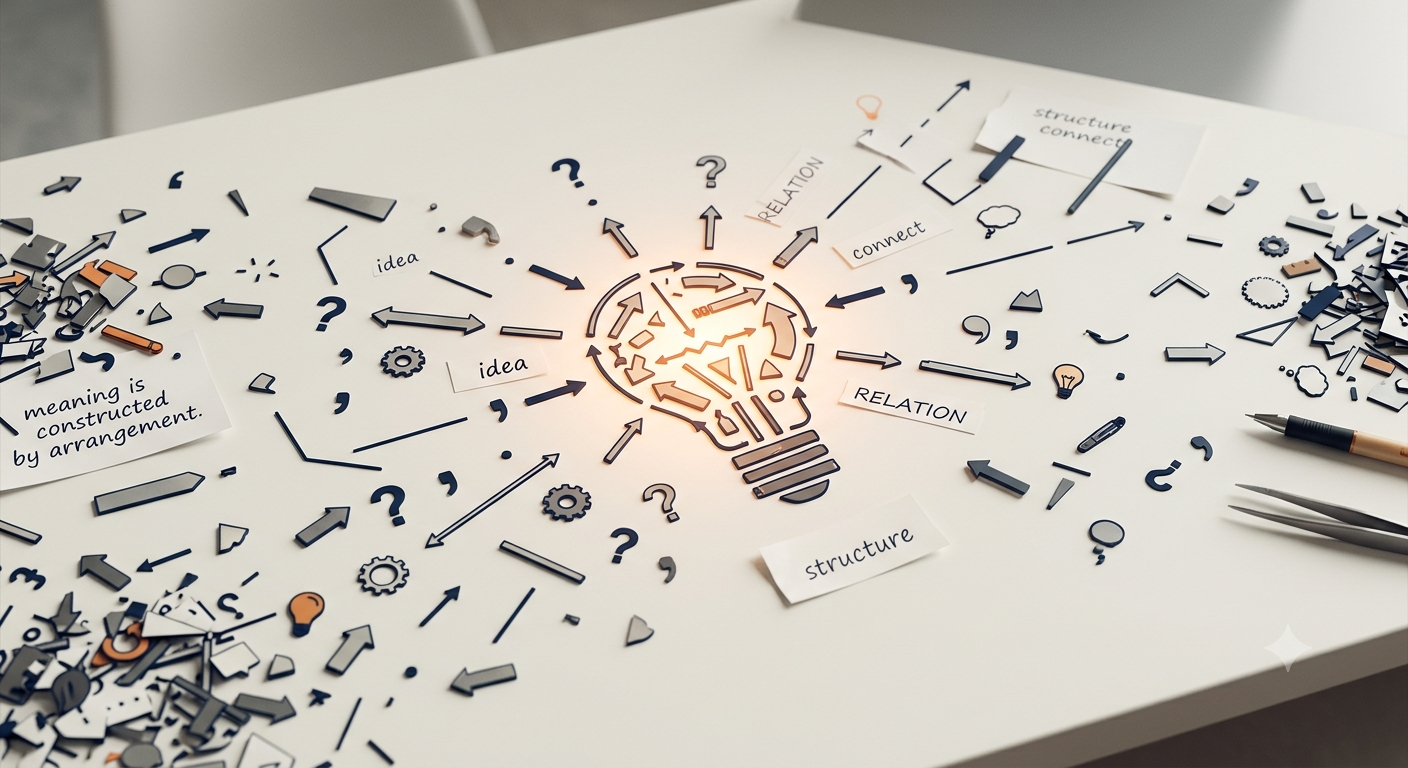
The reason you can’t trust your bot 100% with everything it says and generally expert base software is a simple and human problem, meaning; or differences of the generation, retrieval and storage of it between humans in particular first. Of course, this idea spilled over into the software we build and the knowledge bases we create. The result? Endless meaning generation at scale, everyone crafts their own definition.
Imagine we all share a common dictionary and a baseline sense of why and how we reason about things, whether physical or abstract. When abstract problems surface with little to no data, especially for agents or anyone not actively working in that niche, the knowledge gap widens. It doesn’t make anyone’s knowledge worthless, but it makes collaboration painful.
Our solution: keep knowledge bases alive and keep each other in the loop. We constantly update procedures, documents, announcements, emails, and the like. Trust builds when we know we have the latest info or remember something correctly, though that trust isn’t always justified.
The takeaway? Continuous knowledge sharing and verification are the only ways to bridge the gap between isolated expertise and collective progress. This is very expensive. It takes a lot of time and effort, and it requires many people to contribute simultaneously because they need alignment. Human alignment can shift quickly. However, in the LLM world, it’s a little different. Luckily, we have deterministic grounds in the computer world. That helps with some things, but there are also things you cannot do by design. The current infrastructure wouldn’t let you do it out of the box. So we are actively trying to overcome these challenges, find new workarounds, and build new infrastructure to beat this.
I won’t be arguing about anything specific for now, I’ll just gather some facts and build a graph around this article, then see how they all come together to help me solve things daily.
If you want it to be done, you have to be understood

If you want to get work done faster, earn more, and cut friction, you have to be exceptionally good at describing what you need and how you need it. Unless you express yourself coherently, nobody can translate your words into actionable insights or a solid execution plan. You and your team, vendors, and colleagues need to speak the exact same language with zero hidden agendas. Clarity and transparency go hand in hand, without them, execution fails. At the end of the day, everyday life is no different: it’s all about understanding your environment and interacting with it properly.
A language model can only predict without a shared world model
Write the actual thing here. Delete the scaffolding whenever it gets annoying.
Conversation Design
very important…
Ending
What should the reader remember?